Introduction
Most showers get scrubbed regularly but never actually get clean. Soap scum, hard water stains, and mildew each require different chemistry — and most general-purpose cleaners aren't built for any of them.
By 2026, the shower cleaning market has grown considerably more specialized. Formulas now target specific problems — soap scum, mineral deposits, mold — and specific surfaces, from tile and glass to stone and fiberglass. The U.S. bathroom cleaners market hit approximately $6.65 billion in 2025, with demand increasingly driven by buyers looking for targeted solutions rather than all-purpose sprays.
That shift matters for anyone stocking or purchasing these products. Choosing the wrong formula for a surface can damage finishes or simply fail to work.
This guide covers the top 5 shower cleaning products for 2026, how to choose the right formula for your surface and problem type, and what separates an effective cleaner from one that just smells effective cleaner from one that just smells good.
Key Takeaways
- Cleaner format matters—foams and gels cling to vertical surfaces longer than sprays for more effective deep cleaning
- Surface compatibility is critical; products safe for ceramic tile may damage natural stone or fiberglass
- Standout picks for 2026: Clorox Bathroom Ultra Foamer, Scrubbing Bubbles Mega Shower Foamer, Method Antibacterial Bathroom Cleaner, and Wet & Forget Shower
- Buying in bulk through a wholesale distributor can lower per-unit costs for commercial properties or high-frequency cleaning operations
What to Look for in Shower Cleaning Supplies
Surface Compatibility Comes First
Not all cleaners are safe on all surfaces. Surface compatibility should be your first filter when selecting a shower cleaner. The key shower surface types include:
- Ceramic tile and porcelain – Most durable and chemical-resistant
- Natural stone (marble, granite, limestone) – Highly sensitive to acids
- Fiberglass and acrylic – Prone to scratching from abrasives
- Tempered glass – Vulnerable to mineral scaling
Using an incompatible cleaner can cause etching, discoloration, or permanent damage. The Natural Stone Institute warns that bleach and acidic cleaners can etch and ruin stone surfaces, and the Tile Council of North America notes that strong acidic or alkaline cleaners break down sealers on grout and tile.
Cleaner Format Affects Performance
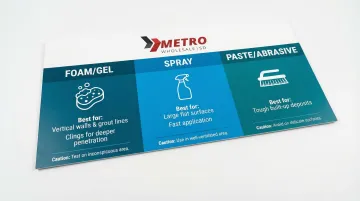
The physical form of your cleaner—spray, foam, gel, or paste—directly impacts how well it works:
| Format | Best For | Watch Out For |
|---|---|---|
| Foam / Gel | Vertical walls, grout lines — clings longer for deeper penetration | Overkill on quick daily wipe-downs |
| Spray | Large flat surfaces, fast application | Runs off vertical surfaces before it can work |
| Paste / Abrasive | Tough grime and built-up deposits | Can scratch acrylic, fiberglass, and natural stone |
Match the Formula to the Problem
Matching the formula to the actual problem saves time and prevents damage. Target these common issues:
- Soap scum – Surfactant-heavy products that lift oily residue
- Mineral deposits and hard water stains – Acidic formulas with citric acid, lactic acid, or hydrochloric acid
- Mold and mildew – Enzymatic or oxygen-based cleaners, or bleach-based disinfectants
Over 85% of U.S. households deal with hard water — and standard surfactants won't touch mineral scale. An acid-based formula is the only reliable fix.
Best Cleaning Supplies for Showers in 2026
The five products below were selected based on cleaning efficacy across multiple surface types, user and expert feedback, formula transparency, and availability—making them the most reliable options for both home and commercial use in 2026.
Clorox Bathroom Ultra Foamer
Clorox is one of the most widely recognized cleaning brands in the U.S., and its Bathroom Ultra Foamer is purpose-built for shower surfaces. The product delivers a thick foam that clings to tile, grout, and tub walls to break down soap scum and kill germs without extended dwell time.
The ultra-thick foam applies evenly across vertical surfaces, reducing the need for heavy scrubbing. It's EPA-registered as a disinfectant (EPA Reg. No. 5813-40) and safe for ceramic tile, porcelain, and fiberglass. Independent reviews from Today.com rated it 5/5 for grime removal and reach into tight corners.
The label instructs users to let the foam stand for 3 minutes before rinsing—enough dwell time to penetrate soap scum without extended effort.
| Attribute | Details |
|---|---|
| Best For | Soap scum removal, disinfecting, everyday deep cleaning on tile and fiberglass |
| Format | Aerosol foam spray |
| Surface Compatibility | Ceramic tile, porcelain, fiberglass (not recommended for natural stone) |
Scrubbing Bubbles Mega Shower Foamer
Scrubbing Bubbles has been a bathroom cleaning staple for decades, and the Mega Shower Foamer is their most heavy-duty offering. It's designed for bathrooms that haven't been cleaned recently or that deal with stubborn, layered soap scum and grime.
The expanding foam penetrates soap scum faster than standard sprays, working effectively with minimal scrubbing after a 3–5 minute dwell time. Today.com rated it 4.3/5, praising wide spray coverage and grime removal, though noting the foam liquefies relatively quickly.
The formula is safe for glazed ceramic tile, stainless steel, chrome, fiberglass, vinyl, and glazed porcelain, but should never be used on natural stone or marble.
| Attribute | Details |
|---|---|
| Best For | Heavy-duty soap scum, neglected showers, grout lines |
| Format | Expanding aerosol foam |
| Surface Compatibility | Ceramic tile, porcelain, acrylic, fiberglass (avoid use on natural stone) |
Method Antibacterial Bathroom Cleaner
Method is a leader in the eco-conscious cleaning space, and its Antibacterial Bathroom Cleaner brings plant-based, biodegradable ingredients together with effective disinfecting action. It fills the gap for consumers who want a non-toxic, cruelty-free formula that doesn't compromise on performance.
The active ingredient is citric acid (5%)—naturally derived and safe around children and pets. It's packaged in a trigger spray and won't leave harsh chemical residue or strong fumes, a practical advantage in poorly ventilated bathrooms.
Good Housekeeping praises it for cutting through tough soap scum and hard water stains. The formula is EPA Safer Choice certified and EPA registered (Reg. No. 75277-2), killing 99.9% of bacteria and viruses (including flu) after a 10-minute dwell time.
| Attribute | Details |
|---|---|
| Best For | Eco-conscious users, households with children or pets, light to moderate daily cleaning |
| Format | Trigger spray |
| Surface Compatibility | Glass, tile, chrome, sealed stone, acrylic |
Wet & Forget Shower
Wet & Forget Shower is a no-scrub, no-rinse shower cleaner that works differently from traditional products. It's applied and left to act over time (typically 8–12 hours), gradually dissolving soap scum and mildew residue with each subsequent shower rinse, making it the lowest-effort option on this list.
The fragrance-free formula is particularly valued by users with scent sensitivities or allergies. It's also safe for virtually all shower surfaces—including natural stone—a distinction most competing products can't match. Today.com awarded it 4.6/5 as an "Editor's Pick," citing its ability to lift stubborn stains without any scrubbing.
It's best for maintenance cleaning rather than deep-cleaning heavily soiled showers. The spray-and-walk-away application makes it ideal for weekly maintenance routines.
| Attribute | Details |
|---|---|
| Best For | Scent-sensitive users, maintenance cleaning, natural stone surfaces |
| Format | Trigger spray (no-rinse, no-scrub application) |
| Surface Compatibility | Natural stone (except marble), tile, glass, fiberglass, acrylic, chrome |
CLR Bath & Kitchen Cleaner
CLR (Calcium, Lime & Rust) is the go-to brand for hard water stain removal, and its Bath & Kitchen Cleaner is formulated specifically to dissolve mineral deposits, calcium buildup, and rust stains—problems that most general bathroom cleaners simply can't address effectively.
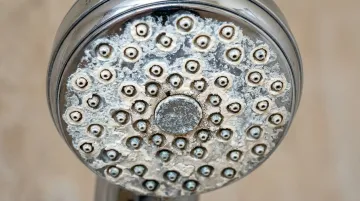
The formula uses a proprietary blend of lactic and gluconic acids that break down mineral bonds without abrasive scrubbing. It performs especially well in hard water regions where white scale accumulates on showerheads, faucets, and grout lines. The product is part of the EPA Safer Choice Program, balancing efficacy with safety.
Safe surfaces include ceramic, chrome, fiberglass, glass, granite, white grout, porcelain, and stainless steel. Avoid use on natural stone, marble, terrazzo, colored grout, or metallic glazed surfaces—the acids can lighten or discolor them.
| Attribute | Details |
|---|---|
| Best For | Hard water stains, calcium/lime deposits, rust stains on fixtures and grout |
| Format | Trigger spray |
| Surface Compatibility | Ceramic, porcelain, fiberglass, glass (avoid use on natural stone and colored grout) |
How We Chose the Best Shower Cleaning Supplies
Products were assessed across four criteria:
- Cleaning efficacy against soap scum, mineral deposits, and mold/mildew
- Surface compatibility across tile, grout, glass, plastic, and metal
- Formula safety including fume levels, skin safety, and child/pet safety
- Purchasing availability for both individual and bulk volume needs
Brand familiarity is a poor basis for choosing a cleaner. Matching the formula to the specific problem matters far more — a bleach-based cleaner won't remove mineral scale, and an acidic cleaner won't disinfect mold effectively.
Real-World Testing Methodology
We referenced independent testing methodologies from sources like Reviewed.com and Today.com, which employ side-by-side surface testing in real shower conditions. These tests involve:
- Partitioned sections of real tubs and shower walls to directly compare performance
- Cleaning actual soap scum, grime, and mineral deposits on various surfaces including tile, grout, plastic, metal, and glass
- Measuring "time-to-clear" and visual cleanliness after specific dwell times
What a product does on an actual shower wall — not what the label promises — determined every selection here.
Bulk Purchasing for Commercial Needs
For property managers, cleaning companies, and hospitality businesses buying at volume, the products listed here are available through Metro Wholesale in bulk case quantities. Buying in bulk reduces per-unit costs and keeps supply steady without depending on retail restocking cycles. Contact Metro Wholesale at +1 619-423-5600 or info@metrowholesalesd.com to discuss wholesale options.
Conclusion
The right shower cleaning supply in 2026 isn't just about brand recognition—it's about matching the cleaner's active chemistry to the specific surface type and soil problem in your shower. Using the wrong product doesn't just waste money; it can cause surface damage or require far more scrubbing.
Before committing to a product, assess three things:
- Surface material — tile, stone, fiberglass, and glass each have different chemical tolerances
- Primary cleaning challenge — soap scum, hard water deposits, and mold each call for different active ingredients
- Usage frequency — high-traffic showers need a different cadence than a guest bathroom
A consistent routine (weekly light cleaning, monthly deep clean) can cut scrubbing time in half per session.
Once you know what you need, buying in bulk keeps you stocked without repeated reorders. Metro Wholesale (metrowholesalesd.com | +1 619-423-5600) supplies shower and bathroom cleaning products in wholesale case quantities — a practical option for retail stores or any household or business that goes through product regularly.
Frequently Asked Questions
What is the best shower material to keep clean?
Glazed porcelain and ceramic tile are generally the easiest shower materials to keep clean due to their non-porous surface, which resists soap scum and mildew buildup. Natural stone requires regular sealing, while fiberglass scratches easily with abrasive cleaners.
How often should you clean a shower?
Light maintenance (squeegeeing glass, wiping surfaces) should be done after each use. A full spray-and-wipe cleaning is recommended weekly. A deep clean targeting grout, caulk, and fixtures is ideal monthly or every two weeks for high-usage showers.
What is the difference between a shower cleaner and a general bathroom cleaner?
Shower-specific cleaners are formulated to tackle soap scum, hard water stains, and mildew on wet vertical surfaces, often with foam or gel formulas that cling to vertical surfaces. General bathroom cleaners are typically multi-surface sprays optimized for flat, dry surfaces like countertops, sinks, and toilets.
Can you use bleach to clean a shower?
Diluted bleach is effective against mold and mildew but should never be mixed with ammonia-based cleaners or acidic cleaners (like vinegar or CLR) as these combinations produce toxic chloramine or chlorine gases. Bleach is also not recommended on natural stone, colored grout, or unsealed surfaces.
What tools do you need to clean a shower properly?
Essential tools include a stiff-bristle grout brush for tile lines, a squeegee for glass doors and walls, microfiber cloths for streak-free surface wiping, and an extendable scrubber for reaching high tiles.
Are eco-friendly shower cleaners as effective as chemical-based ones?
Plant-based and biodegradable formulas (like Method or botanical cleaners using lactic acid) are effective for regular maintenance and light to moderate soap scum. However, they may require longer dwell time or more applications for heavily soiled showers compared to bleach-based or acid-based chemical cleaners.