Introduction
We've all been there—standing in front of a cluttered cleaning cabinet filled with half-empty bottles, wondering which product actually works on which surface. Or worse, realizing mid-clean that you're missing the one essential tool you need. 18% of households report having insufficient cleaning supplies to handle their cleaning needs effectively, turning simple chores into frustrating, time-consuming ordeals.
The right cleaning supplies make a genuine difference. They save time, reduce effort, and ensure surfaces are actually sanitized rather than just wiped down. The wrong product can strip a finish or leave behind residue; the missing tool means a job done halfway.
This guide covers everything you need for a complete home cleaning kit: the essential chemical cleaning agents, must-have tools and equipment, a practical room-by-room breakdown, and critical safety tips for choosing and using supplies wisely.
Key Takeaways
- A complete kit covers chemical cleaners (all-purpose, disinfectant, glass, bathroom, floor) and physical tools (microfiber cloths, scrub brushes, mops, brooms, gloves)
- Organizing supplies by room ensures the right product reaches the right surface
- Multi-purpose cleaners reduce clutter, but specialty cleaners remain essential for bathrooms and high-use areas
- Never mix bleach with ammonia-based cleaners—the resulting gases can cause serious respiratory harm
- Buying cleaning products in bulk from Metro Wholesale cuts cost-per-unit and keeps your home consistently stocked
Must-Have Cleaning Products Every Home Needs
Cleaning products fall into two categories: everyday maintenance cleaners and specialty cleaners for deep cleaning specific surfaces. A well-stocked home needs both to handle everything from daily counter wipes to monthly bathroom scrubs.
All-Purpose and Surface Cleaners
An all-purpose cleaner is the workhorse of any cleaning kit. It handles countertops, sinks, appliances, and most hard surfaces without switching products constantly. When selecting one, check the label for:
- pH balance (neutral formulas are safest for most surfaces)
- Surface compatibility warnings
- Fragrance-free options if anyone in your household has sensitivities
Glass and mirror cleaners deserve separate mention because all-purpose products often leave streaks on reflective surfaces. Ammonia-free formulas are essential for tinted windows or any glass with applied film—ammonia causes film layers to swell and haze, permanently damaging the finish.
Disinfectants and Specialty Cleaners
Cleaning removes visible dirt — disinfecting kills germs. These are not the same thing. The EPA regulates disinfectants as antimicrobial pesticides, and only products displaying an EPA Registration Number can legally claim to kill bacteria and viruses. High-touch areas like doorknobs, light switches, and kitchen counters require true disinfectants, not just surface sprays.
Bathrooms demand specialty formulations because high-moisture environments breed different problems. You'll need:
- Toilet bowl cleaner with acidic agents to dissolve mineral deposits
- Tub-and-tile cleaner formulated to cut through soap scum
- Mold and mildew spray with biocides — standard cleaners won't eliminate persistent growth
These bathroom-specific formulas outperform all-purpose cleaners because they're built for moisture-driven soils general cleaners simply weren't designed to handle.
Floor cleaners require careful selection based on your flooring type. Using the wrong formula can void warranties and ruin finishes—manufacturers explicitly warn against ammonia-based cleaners, wax products, or acidic materials like vinegar on urethane-finished hardwood. Always look for cleaners specifically labeled for hardwood, tile, or laminate.
One product worth keeping on hand: dish soap. Diluted with water, it doubles as a gentle multi-surface cleaner for everyday spills — no specialty formula required.
Essential Cleaning Tools and Equipment
Even the best cleaning product produces mediocre results when paired with low-quality tools. The right equipment amplifies effectiveness and makes every job faster and easier.
Scrubbing and Wiping Tools
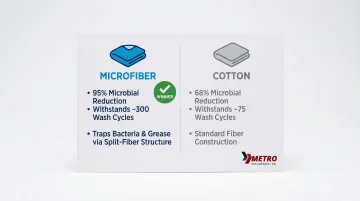
Microfiber cloths are the single most versatile tool in your arsenal. Their split-fiber structure creates microscopic hooks that trap dust, bacteria, and grease far better than cotton rags. Laboratory testing shows microfiber systems achieve up to 95% microbial reduction compared to just 68% for cotton.
They're also built to last: high-quality microfiber withstands approximately 300 laundry cycles versus only 75 for cotton, making them a reusable, economical choice.
Scrub brushes and sponges require more strategic selection:
- Soft sponges for delicate surfaces like non-stick cookware
- Stiff-bristle brushes for grout and tile
- Non-scratch scrubbers for stainless steel and glass cooktops
Replace sponges frequently—research found coliform bacteria on more than 75% of dish sponges, making them contamination hotspots.
Rubber gloves are non-negotiable. They protect skin from chemical irritation and prevent bacteria transfer between surfaces. Keep separate pairs for bathroom and kitchen use to avoid cross-contamination.
Floor and Large Surface Tools
Your core floor-cleaning toolkit should include:
- Broom and dustpan for dry debris removal
- Vacuum cleaner for carpets and upholstered surfaces
- Mop with appropriate solution for hard floors
Flat mops excel at quick daily cleaning, while traditional string mops provide deeper scrubbing power for monthly deep cleans. Add a squeegee for shower walls and glass surfaces—it prevents water spots and reduces mildew growth. A dedicated toilet brush completes the bathroom toolkit. Keeping separate tools per zone is a simple habit that eliminates cross-contamination between bathrooms and kitchens.
Room-by-Room Cleaning Supplies Checklist
Different rooms collect different kinds of dirt — grease in the kitchen, bacteria in the bathroom, dust everywhere else. Stock accordingly.
Kitchen
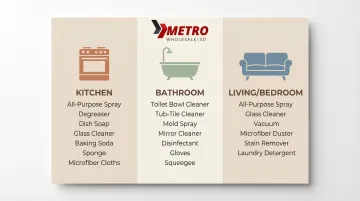
The kitchen is the highest-contamination zone in most homes and requires daily attention to high-touch surfaces. Stock these essentials:
- All-purpose spray for counters and appliances
- Degreaser for stovetop and range hood — standard cleaners won't cut through heavy grease
- Dish soap for dishes and gentle surface cleaning
- Glass cleaner for microwave doors and windows
- Baking soda for gentle scrubbing without scratching
- Dedicated sponge or scrub brush, replaced weekly
- Microfiber cloths for wiping and drying
Bathroom
Bathrooms harbor moisture, mold, and bacteria — a kit that only cleans (without disinfecting) isn't enough. Keep these on hand:
- Toilet bowl cleaner and dedicated brush
- Tub-and-tile cleaner for soap scum
- Mold and mildew spray for persistent growth
- Glass or mirror cleaner
- EPA-registered disinfectant spray for surfaces
- Rubber gloves (bathroom-only pair)
- Squeegee for shower walls
Living Areas and Bedrooms
These spaces require less frequent deep cleaning but benefit from regular maintenance:
- All-purpose spray for furniture and surfaces
- Glass cleaner for mirrors and TV screens
- Vacuum for carpets and upholstery
- Microfiber duster for shelves and electronics — dry use only
- Fabric-safe stain remover for sofas and rugs
- Laundry detergent and fabric softener for bedding and linens
How to Choose and Use Cleaning Supplies Safely
Selecting the right products requires more than grabbing whatever's on sale. Surface compatibility, chemical sensitivity, and safety certifications all matter.
When choosing cleaners, always check product labels for surface compatibility—using the wrong cleaner can permanently damage finishes. If anyone in your household has asthma or allergies, opt for low-VOC or fragrance-free formulas. Using cleaning sprays at least 4 days per week is associated with a 2.11 times higher risk of physician-diagnosed asthma, so product selection directly affects respiratory health. Look for EPA Safer Choice certification as a reliable indicator of reduced chemical risk.
Three safety rules apply regardless of which products you buy:
- Ventilate always: Open windows when using chemical cleaners to reduce indoor VOC concentrations
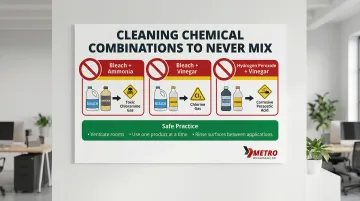
- Never mix chemicals: Bleach plus ammonia produces toxic chloramine gas; bleach plus vinegar creates chlorine gas, both causing serious respiratory harm
- Store properly: Keep all products in original containers with labels intact, out of reach of children and pets
On the buying side, multi-purpose products reduce cabinet clutter and upfront costs. Choosing refill packs over single-use bottles cuts per-unit cost significantly for households that clean regularly — warehouse clubs and online subscriptions are reliable sources for stocking up without overpaying.
Conclusion
A spotless home doesn't require dozens of products cluttering your cabinet—it requires the right products and tools for each surface and room, used safely and consistently. This checklist gives you the framework to build an efficient, effective cleaning kit that tackles every area of your home without wasted effort or money.
Use this guide to audit your current supplies and identify any gaps. Then restock strategically, focusing on quality essentials.
Quick recap — a well-stocked cleaning kit covers:
- A multi-surface disinfectant and separate glass cleaner for daily use
- Abrasive and non-abrasive scrubbers matched to your surfaces
- Microfiber cloths, a mop, and a vacuum for floors and dusting
- Toilet bowl cleaner, bathroom disinfectant, and a grout brush for deep cleans
If you're a retailer looking to stock cleaning supply essentials your customers reach for every week, Metro Wholesale carries household cleaning products in case-pack quantities — making it straightforward to keep your shelves full at wholesale pricing. Contact Metro Wholesale at info@metrowholesalesd.com or call +1 619-423-5600 to explore available inventory.
Frequently Asked Questions
What do professional house cleaners use to clean?
Professional cleaners keep it focused: all-purpose cleaner, EPA-registered disinfectant, glass cleaner, microfiber cloths, scrub brushes, and a vacuum. They use multi-purpose products and tackle high-contact surfaces first to maximize efficiency.
What do housekeepers use to make a house smell good?
Housekeepers eliminate odors at the source by cleaning surfaces thoroughly, using baking soda to absorb smells in carpets and upholstery, and choosing lightly scented or essential oil-based cleaners. Air fresheners only mask odors and can contain VOCs.
What is the 80/20 rule in house cleaning?
The 80/20 rule (Pareto Principle) means 80% of visible cleanliness comes from cleaning just 20% of areas—high-traffic surfaces like countertops, floors, sinks, and toilets. This helps prioritize effort during quick cleans.
What is the 5x5 rule for cleaning?
If a cleaning task takes 5 minutes or less, do it immediately rather than letting it accumulate. This keeps small messes from compounding and cuts down on the time needed for full cleaning sessions.
What cleaning supplies should every home have?
Every home needs these basics to handle everyday tasks across every room:
- All-purpose cleaner and disinfectant spray
- Glass cleaner and toilet bowl cleaner
- Microfiber cloths, scrub brush or sponge, rubber gloves
- Broom, mop, and vacuum
Are there any cleaning products you should never mix together?
Never mix bleach with ammonia (produces toxic chloramine gas), bleach with vinegar (creates chlorine gas), or hydrogen peroxide with vinegar (forms corrosive peracetic acid). Always use one product at a time and rinse surfaces between applications.