
Introduction
Over 67% of U.S. households share their homes with dogs and cats, yet most standard cleaning products contain chemicals that can silently harm pets through skin contact, ingestion, or inhalation. While you're diligently mopping floors and disinfecting surfaces, your pet walks across wet residue, lies on freshly cleaned carpets, and then grooms those same paws. They end up ingesting the very chemicals you just applied.
Pets are far more vulnerable than humans to common cleaning chemicals. Household products accounted for 6.5% of all toxic exposures reported to the ASPCA Animal Poison Control Center in 2024. The real danger isn't the initial spray — it's the residue that lingers after you're done cleaning.
When your dog pads across a just-mopped floor or your cat curls up on a treated carpet, they absorb chemicals their bodies cannot safely process. Choosing the right products is a genuine health decision. This guide covers what to avoid, what to look for, and which pet-safe options actually work.
Key Takeaways
- Pet-safe products avoid phenols, undiluted bleach, formaldehyde, and synthetic fragrances that cause organ damage and respiratory distress
- Both cats and dogs are highly vulnerable — cats can't metabolize phenols, and dogs absorb chemicals through paw contact and grooming
- Swap common household cleaners — including disinfectants, detergents, and air fresheners — for EPA Safer Choice certified alternatives
- Always let cleaned surfaces dry completely before allowing pet access—wet residue is the primary exposure risk
- Choose plant-based, hydrogen peroxide-based, or enzyme-based formulas with transparent ingredient lists
Why Pet-Safe Cleaning Products Matter
How Pets Interact with Household Surfaces
Dogs and cats engage with your home in ways that maximize chemical exposure. They walk on freshly mopped floors, picking up wet residue on their paws. They lie on cleaned carpets, pressing their skin directly against treated fibers. Then they groom themselves, ingesting whatever chemicals they've picked up.
This is continuous, daily exposure through skin absorption and oral ingestion — not a rare event.
The ASPCA Animal Poison Control Center managed calls regarding over 351,000 items and substances in 2023, with household cleaning products representing a significant portion. The primary risk occurs when pets walk on surfaces that aren't yet dry; that grooming behavior leads to direct ingestion of chemical residues.
Cleaning vs. Disinfecting: Why the Distinction Matters
Most pet-related messes require cleaning, not disinfecting. Cleaning physically removes dirt with soap and detergent. Disinfecting kills germs with harsher chemicals. When you reach for a disinfectant to clean up a muddy paw print or food spill, you're unnecessarily exposing your pet to stronger chemicals than needed.
Reserve disinfectants for:
- Illness recovery areas where pathogens are a real concern
- Surfaces contaminated with bodily fluids
- Situations involving genuine cross-contamination risk
For routine messes like tracked-in dirt, food spills, or general grime, a good cleaner is sufficient. It's also far safer for pets who will contact that surface again within hours.
Household Cleaning Ingredients Toxic to Dogs and Cats
Phenols and Phenol Compounds
Cats lack the major phenol UDP-glucuronosyltransferase (UGT) enzymes—specifically UGT1A6 and UGT1A9—that metabolize phenolic compounds. Without these liver enzymes, phenols accumulate in feline systems, causing gastrointestinal problems, liver damage, and neurological effects.
Look for ingredients ending in "-phenol" such as 2-phenylphenol, commonly found in:
- Pine-scented disinfectant sprays
- Multi-surface antibacterial cleaners
- Concentrated disinfectant solutions marketed for "deep cleaning"
Phenols are not recommended for use in cat environments for this reason — even trace exposures carry real risk.
Bleach (Sodium Hypochlorite)
Bleach can be used safely around pets—but only with precise dilution and application. The CDC recommends 5 tablespoons (1/3 cup) of bleach per gallon of room temperature water, or 4 teaspoons per quart. Undiluted bleach and residue left on surfaces pose serious risks:
- Respiratory irritation from fumes
- Chemical burns to paw pads
- Gastrointestinal upset if licked
Critical safety protocol:
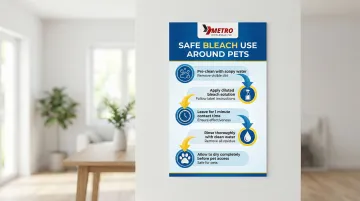
- Pre-clean surfaces with soapy water
- Apply diluted bleach solution
- Leave for at least 1 minute contact time
- Rinse thoroughly with clean water
- Allow to dry completely before pet access
Never mix bleach with ammonia or other cleaners—this produces toxic gas that's dangerous for both humans and pets.
Formaldehyde and Isopropyl Alcohol
Less obvious than bleach, formaldehyde and isopropyl alcohol show up in carpet shampoos and spray cleaners. If ingested, inhaled, or absorbed through skin, they can cause:
- Paw pad irritation and chemical burns
- Vomiting and drooling
- Neurological effects at higher concentrations
- Respiratory distress from fume inhalation
Check ingredient lists on carpet cleaning machines and spray bottles—formaldehyde may appear under names like formalin or methylene glycol.
Synthetic Fragrances and Essential Oils
"Fragrance" or "parfum" on a label can mask dozens of undisclosed chemicals, many of which irritate pet respiratory systems. Many essential oils used in DIY "natural" cleaning recipes carry their own risks for both cats and dogs:
- Tea tree oil (melaleuca)
- Eucalyptus
- Citrus oils (lemon, orange, lime)
- Pennyroyal
- Pine oils
Phenol-based essential oils should be avoided in feline environments due to cats' inability to metabolize these compounds. Dogs are also susceptible to essential oil toxicity, though typically less sensitive than cats.
Fabric Softener Sheets
Both new and used dryer sheets contain cationic detergents—surfactants like benzalkonium chloride and cetrimonium bromide. Ingestion can cause severe chemical burns to the mouth, esophagus, and stomach. Cats are particularly sensitive and often attracted to the soft, crinkly texture. Symptoms include:
- Drooling and oral ulcers
- Vomiting
- Intestinal blockage if sheets are swallowed
- CNS depression and acute lung injury in severe cases
Keep dryer sheets out of reach and dispose of used sheets in a lidded bin — the risk applies even after a single use.
Essential Pet-Safe Cleaning Products for Dog and Cat Owners
Pet-safe doesn't mean less effective. Modern formulations use plant-based, enzyme-based, or hydrogen peroxide technologies that clean and disinfect effectively while avoiding toxic ingredients. Select products that are safe once dry and free from phenols, undiluted bleach, and synthetic fragrances.
Pet-Safe Floor and Surface Cleaners
What to look for:
- Plant-based or hydrogen peroxide-based formulas (like OxyPower technology)
- Free from artificial fragrances, phenols, and bleach
- Odor-neutralizing technology rather than masking scents
- Fast-drying formulation to minimize residue contact
Safety Data Sheets for hydrogen peroxide-based floor cleaners classify these mixtures as "not classified" for hazards or having a "low order of toxicity." Household concentrations (3–5%) may cause mild gastric irritation if ingested but are generally safe once dry.
Key features to prioritize:
- Compatibility with multiple hard floor surfaces (tile, hardwood, laminate)
- Residue-free drying that won't leave sticky films
- Formulated to break down organic compounds in pet accidents rather than just covering odors
Pet-Safe Carpet and Upholstery Stain/Odor Removers
Enzyme-based stain removers are the gold standard for pet messes. Enzymes break down the organic compounds in urine, feces, and vomit rather than masking them — eliminating the scent trail that causes pets to re-soil the same spot.
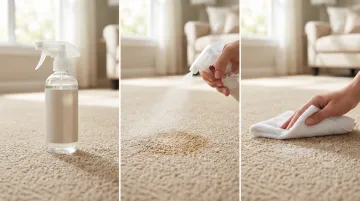
A comparative study of eleven products found that enzyme-based cleaners outperformed traditional formulas at removing odors and preventing their return.
Key features to prioritize:
- Enzymatic formula with proteases and lipases
- Safe for carpets, upholstery, and bedding
- Free from bleach and synthetic perfumes
- Concentration suitable for regular use in pet households
Application tip: Saturate the affected area completely—enzymes need direct contact with all organic material to work. Let it sit for 10-15 minutes before blotting.
Pet-Safe Laundry Detergents for Pet Bedding and Soft Items
Synthetic dyes and fragrances in standard laundry products can cause skin irritation in pets with sensitive skin. Pet bedding, blankets, and plush toys should be washed with fragrance-free, dye-free detergents.
Pets spend 12–16 hours per day on their bedding. Residual fragrances in fabric fibers release volatile organic compounds that pets inhale continuously — a meaningful concern given their shorter respiratory tracts and higher breathing rates.
Chemical-free disinfection method: To disinfect soft items when a pet is sick, use the dryer at the highest heat setting for 30 minutes. The CDC recommends hot-water wash at 160°F (71°C) for 25 minutes, followed by complete drying on the warmest setting. This thermal disinfection kills pathogens without chemical residue.
Pet-Safe Disinfectants and Multi-Surface Sprays
Follow label instructions precisely when using EPA-registered disinfectants around pets. Most are toxic while wet but safe once dry. Keep pets away from treated surfaces until fully dry, and wipe down with a clean damp cloth before allowing pet access.
What to look for on labels:
- EPA Safer Choice certification—every ingredient is reviewed for safety
- Hydrogen peroxide or citric acid as active ingredients
- Explicit "pet-safe when dry" language
- Avoid phenol or quaternary ammonium compounds (quats) in cat households
Quaternary ammonium compounds are not recommended in feline environments — they irritate mucous membranes and can cause oral and esophageal burns if ingested.
Bulk purchasing for high-use environments: For grooming businesses, veterinary offices, or multi-pet households that use significant quantities of cleaning products, sourcing EPA-registered, pet-safe disinfectants in bulk offers cost savings. Metro Wholesale serves pet care businesses with wholesale cleaning and disinfecting products—contact their team at info@metrowholesalesd.com or +1 619-423-5600 to inquire about pet-safe product availability in case-pack quantities.
Pet-Safe Air Fresheners and Odor Neutralizers
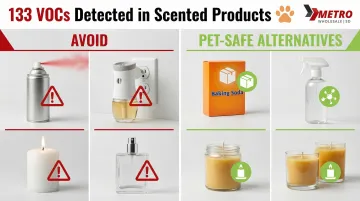
Standard aerosol sprays and plug-in air fresheners contain volatile organic compounds (VOCs) that remain airborne long after application. One study of scented consumer products detected 133 different VOCs — 24 of which were classified as toxic or hazardous under federal law with no established safe exposure level.
Dogs and cats have sensitive respiratory systems. Birds are especially vulnerable, but prolonged exposure affects all pets, potentially causing:
- Respiratory irritation and coughing
- Allergic reactions and asthma-like symptoms
- Long-term exposure to carcinogenic compounds
Safer alternatives that actually neutralize odors rather than masking them:
- Baking soda: Open boxes absorb odors passively without releasing chemicals into the air
- Enzyme-based odor sprays: Break down odor-causing compounds at the molecular level rather than covering them up
- Beeswax or soy candles: Burning paraffin releases carcinogenic PAHs and pollutants like formaldehyde and benzene — natural wax alternatives avoid this entirely
What makes a candle pet-safe:
- Beeswax or soy wax base (not paraffin)
- Unscented or scented only with pet-safe essential oils
- Cotton wicks (avoid metal-core wicks)
- Burned in well-ventilated areas away from pet sleeping spaces
How to Choose the Best Pet-Safe Cleaning Products
The "Natural" and "Green" Labeling Problem
The most common mistake pet owners make is assuming a product is pet-safe because the label says "natural," "eco-friendly," or "green." These terms are often vague and generic—the EPA warns consumers about this "greenwashing" because neither term has a regulated definition. A product can be marketed as "natural" while still containing ingredients toxic to pets.
Certifications and Label Claims That Actually Matter
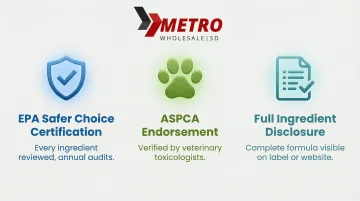
Three markers are worth checking before you buy:
- EPA Safer Choice certification: Every ingredient is reviewed regardless of percentage, with annual audits to maintain the label. It's the most reliable benchmark available to pet owners.
- ASPCA endorsement: Some manufacturers partner with veterinary toxicologists to verify feline and canine safety before earning this endorsement.
- Full ingredient disclosure: The complete list should appear on the label or the manufacturer's website. If a company won't disclose what's in the formula, don't use it around pets.
Key Evaluation Criteria
Beyond certifications, evaluate each product on these four points before it enters your home:
- Form factor: Sprays must dry fully before pet contact. Concentrated formulas require precise dilution — pre-diluted options reduce that risk.
- Species specificity: Cats metabolize chemicals differently than dogs. If you have cats, confirm the product is explicitly safe for felines, not just labeled for "pets."
- Intended surface: A product safe for countertops may not be appropriate for floors where pets walk and then groom themselves. Check compatibility for every surface your pet regularly contacts.
- "Other ingredients" disclosure: Some labels list only active ingredients. Avoid products that won't disclose the full formula — inactive ingredients can still be toxic.
Practical Shopping Strategy
Keep a short "avoid list" of chemical names on your phone to cross-check at the store:
- Phenol, 2-phenylphenol, or any ingredient ending in "-phenol"
- Formaldehyde (also listed as formalin or methylene glycol)
- Isopropyl alcohol in concentrations above 5%
- Bleach without specific dilution instructions
- Synthetic fragrance or parfum
- Tea tree oil, eucalyptus, citrus oils
- Quaternary ammonium compounds (benzalkonium chloride, cetrimonium bromide)
If nothing on the label checks out, fragrance-free, enzyme-based, or plant-derived formulas with EPA Safer Choice certification are your safest starting point.
Conclusion
Pet-safe cleaning products exist across every category — floors, laundry, air quality — and they work. Modern enzyme-based cleaners outperform traditional products at eliminating pet odors, and hydrogen peroxide-based disinfectants kill germs as effectively as phenol-based options without the toxicity risk. The only real tradeoff is taking the time to choose formulas your pets can tolerate.
Start by auditing your current cleaning supplies against the ingredients-to-avoid list. Replace high-risk products one category at a time, beginning with floor cleaners and carpet removers—the products your pets contact most frequently. Establish a routine that allows surfaces to dry fully before pets re-enter cleaned spaces, and switch to fragrance-free detergents for pet bedding.
For retail stores looking to stock pet-safe cleaning products, Metro Wholesale supplies a broad range of household and cleaning goods in wholesale case quantities. Contact the team at info@metrowholesalesd.com or call +1 619-423-5600 to ask about available pet-safe product lines.
Frequently Asked Questions
What are the safest cleaning supplies and disinfectants for pet owners?
EPA Safer Choice-certified disinfectants, plant-based multi-surface cleaners, and enzyme-based stain removers are the top options. Keep pets away during application and until surfaces are completely dry — for extra safety, wipe treated surfaces with a damp cloth before allowing pet access.
How can pet owners make their home smell good without harming their pets?
Baking soda in open containers, enzyme-based neutralizing sprays, and beeswax or soy candles with pet-safe ingredients all help control odors without harmful chemicals. Wash pet bedding weekly with fragrance-free detergent, and avoid aerosol sprays or plug-ins that release VOCs continuously into the air.
How do pet owners keep their home clean?
Vacuum regularly for hair and dander, treat accidents immediately with enzyme-based spot cleaners, and mop with pet-safe floor cleaners. Always let surfaces dry before pets return — that one habit prevents most chemical exposure incidents.
Are essential oils safe to use for cleaning around pets?
No. Many essential oils commonly used in DIY cleaners—including tea tree, eucalyptus, citrus, and pennyroyal—are toxic to cats and dogs. Cats cannot metabolize phenol-based compounds found in many essential oils. Check an ASPCA or veterinary resource before using any essential oil product around pets, even in diffusers or cleaning solutions.
Is vinegar a safe and effective pet-friendly cleaner?
Diluted white vinegar (equal parts vinegar and water) is safer than most chemical cleaners and poses low toxicity risk to pets. However, the CDC cautions that vinegar does not reliably kill all germs — treat it as a cleaning agent, not a disinfectant. Undiluted vinegar can cause vomiting if ingested.
What cleaning products are especially dangerous for cats?
Phenol-based disinfectants are especially dangerous for cats because cats lack the liver enzymes needed to metabolize phenols. Also avoid concentrated essential oils, quaternary ammonium compounds, and aerosol sprays. Cat owners should read disinfectant ingredient lists for any word containing "phenol" before use—even small exposures can cause serious toxicity in felines.