Introduction
Retail buyers stocking beverages face a familiar pressure: customers expect variety, quality, and value — all on tight margins. The difference between a profitable beverage category and dead shelf space often comes down to how and where you source.
Buying beverage products at wholesale, in case-pack quantities, cuts per-unit costs and keeps shelves consistently stocked without the unpredictability of retail restocking.
This guide covers the top wholesale beverage packaging formats in 2026, what to look for in a supplier, and the trends shaping buying decisions. Whether you're expanding your beverage aisle or sourcing a new product line, the right wholesale partner helps you balance cost, quality, and customer demand.
Key Takeaways
- Wholesale beverage packaging spans aluminum cans, glass, PET plastic, cartons, and flexible pouches—each with distinct cost and sustainability trade-offs
- Wholesale pricing cuts per-unit cost significantly, but MOQ thresholds vary widely by material and supplier
- Recyclability and sustainable sourcing are now baseline expectations, driven by consumer pressure and 2026 regulatory trends
- Strong suppliers stand out on MOQ flexibility, certifications, lead times, and total cost of ownership
- Businesses of all sizes can access wholesale packaging through global platforms and regional suppliers like Metro Wholesale
Overview of Wholesale Beverage Packaging
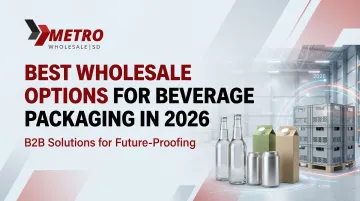
Wholesale beverage packaging covers the bulk procurement of containers used to package drinks before they reach retail or food service markets. Common formats include:
- Bottles (glass and plastic)
- Aluminum cans
- Cartons and Tetra Paks
- Flexible pouches
Sourcing at this scale is critical for cost control — bulk orders unlock better unit pricing and help maintain consistent supply through peak production periods.
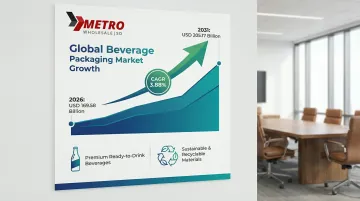
The global beverage packaging market is projected to reach USD 169.58 billion in 2026, growing to USD 205.17 billion by 2031 at a CAGR of 3.88%. This growth reflects rising demand for premium ready-to-drink beverages and the ongoing shift toward sustainable, recyclable materials.
For buyers — whether stocking a single retail location or managing multi-store distribution — choosing the right wholesale partner comes down to product range, minimum order flexibility, and how reliably a supplier can scale with your volume.
Best Wholesale Beverage Packaging Options in 2026
These options were selected based on product diversity, MOQ accessibility, supplier credibility, and ability to serve both small-scale buyers and high-volume distributors. Match your choice to your volume, lead time tolerance, and whether you need domestic speed or the lowest possible unit cost.
Berlin Packaging
Berlin Packaging is one of North America's largest hybrid packaging suppliers, offering a full spectrum of beverage containers including glass bottles, aluminum cans, plastic bottles, and closures. The company serves both branded and private-label buyers across the US, combining supply with value-added services.
What sets Berlin apart is a vertically integrated model that bundles supply, financing, and design services at no additional charge in exchange for packaging business. In practice, that means:
- Over 6 million sq. ft. of warehouse space for just-in-time delivery
- In-house design studio included in the service relationship
- Financing options that improve cash flow for growing buyers
| Aspect | Details |
|---|---|
| Product Range | Glass bottles, aluminum cans, PET plastic, closures, specialty containers for beverages |
| MOQ & Pricing | Pallet quantities (e.g., 8,169 cans per pallet for 12 oz aluminum); pricing quote-based |
| Key Strength | End-to-end service model combining packaging supply with financing options and in-house design studio |
SKS Bottle & Packaging
SKS Bottle & Packaging is a well-known US-based wholesale supplier specializing in glass and plastic bottles, jars, and caps. The company is widely used by beverage startups, craft producers, and mid-size brands for low-to-mid MOQ orders.
The main draw is accessibility. SKS has lower MOQ thresholds than most large distributors, a transparent tiered discount structure, and a strong online ordering system that makes pricing predictable from the first quote.
| Aspect | Details |
|---|---|
| Product Range | Glass bottles, PET and HDPE plastic bottles, metal and plastic caps, dropper and specialty closures |
| MOQ & Pricing | Starting at 1 case (192 bottles for 16 oz PET); 5% off for 1-3 pallets, 10% off for 4-5 pallets, 15% off for 16+ cases |
| Key Strength | Lower MOQ thresholds than most large-scale distributors, making it accessible for small beverage producers and test-run buyers |
TricorBraun
TricorBraun is a major North American packaging distributor with a dedicated beverage division, offering rigid packaging solutions—glass, plastic, aluminum—alongside design and supply chain consulting for CPG brands.
Their beverage division goes beyond distribution. TricorBraun offers package design, testing support, and supply chain advisory—useful for CPG brands trying to differentiate on shelf or navigate sustainability requirements across global sourcing.
| Aspect | Details |
|---|---|
| Product Range | Rigid beverage containers: glass, aluminum, PET, specialty closures; also offers custom packaging development |
| MOQ & Pricing | Pallet quantities (e.g., 7,002 cans per pallet at ~$0.17/can; 3,360 glass bottles per pallet at ~$0.35/bottle) |
| Key Strength | Beverage-specific expertise with integrated design, sourcing, and supply chain advisory services for growing brands |
Alibaba (Global Wholesale Sourcing Platform)
Alibaba is the world's largest B2B sourcing platform, connecting buyers with thousands of verified beverage packaging manufacturers—primarily in Asia—for glass, PET, aluminum, Tetra Pak-style cartons, and flexible pouches at competitive unit prices. It's the only non-domestic option on this list, which means longer lead times but significantly lower per-unit costs at volume.
The Trade Assurance program provides buyer protection, and OEM customization options are widely available. The tradeoff is real, though: quality verification requires careful supplier vetting, and lead times demand advance planning.
| Aspect | Details |
|---|---|
| Product Range | Full spectrum: glass bottles, aluminum cans, PET, carton/Tetra-style packaging, flexible pouches, custom-printed options |
| MOQ & Pricing | PET bottles from 1,000 pcs ( |
| Key Strength | Lowest available unit pricing at volume with OEM customization options, but requires thorough supplier vetting and longer lead time planning |
Uline
Uline is a trusted North American packaging and shipping supply distributor offering a broad catalog of beverage-relevant packaging—including bottles, cans, beverage-grade boxes, shrink wrap, and secondary packaging—with same-day or next-day shipping from multiple US distribution centers.
For buyers who prioritize speed over unit cost, Uline is the practical choice. No minimums on many SKUs, reliable domestic stock, and a reputation built on consistent fulfillment make it the go-to for short-lead-time restocking.
| Aspect | Details |
|---|---|
| Product Range | Beverage-compatible bottles and containers, corrugated beverage boxes, stretch wrap, secondary packaging, custom-print options |
| MOQ & Pricing | No minimum on many SKUs; tiered pricing (per 1, 3, or 6+ units/cartons); 99.5% of orders ship same day if placed before 6 PM |
| Key Strength | Fast fulfillment with same-day or next-day shipping, making it ideal for businesses that need reliable short-lead-time restocking |
Key Beverage Packaging Trends Shaping 2026 Buying Decisions
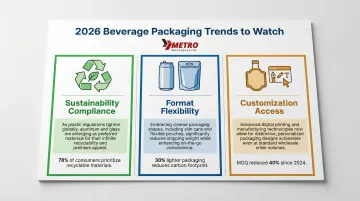
Sustainability and recyclability are no longer optional. 82% of consumers are willing to pay more for sustainable packaging—that number climbs to 90% among Gen Z. On the regulatory side, the EU's Packaging and Packaging Waste Regulation (PPWR) becomes fully applicable on August 12, 2026, pushing buyers in key markets to move away from single-use plastics toward aluminum and glass.
On-the-go consumption is reshaping format preferences fast. Slim cans, spouted pouches, and single-serve cartons are all gaining ground, with the slim can market projected to reach $65.9 billion by 2025 and grow at a CAGR of 5.3% through 2033. Lighter formats also cut freight costs and reduce carbon footprint during distribution—a meaningful factor at wholesale volumes.
Smaller brands now have real access to shelf differentiation at wholesale minimums. Custom label printing, distinctive bottle shapes, and specialty closures were once reserved for large CPG players. Today, those same options are available to independent retailers and emerging brands without requiring enterprise-scale order quantities.
Three shifts worth tracking as you finalize 2026 purchasing decisions:
- Sustainability compliance: Aluminum and glass are gaining preference as plastic regulations tighten, especially in EU-influenced markets
- Format flexibility: Slim cans and spouted pouches reduce shipping weight and appeal to on-the-go buyers
- Customization access: Distinctive packaging is now achievable at the order volumes most wholesale buyers already place
How We Chose the Best Wholesale Beverage Packaging Options
Each supplier on this list was assessed against five criteria:
- Product range — variety of container types, sizes, and materials available
- MOQ accessibility — thresholds that work for startups and high-volume buyers alike
- Pricing transparency — clear unit costs without hidden minimums or fees
- Certifications — FDA compliance, food-grade materials, and sustainability standards
- Buyer flexibility — ability to serve small businesses through large distributors
One sourcing mistake to avoid: chasing the lowest unit price while ignoring lead time, shipping costs, and order minimums that tie up capital. A $0.08 bottle from Alibaba may look attractive — but if shipping adds $0.05 per unit and delays push your launch back two months, the actual cost is far higher.
What you pay per unit is only part of the picture. Total landed cost, including freight, duties, and carrying costs, is what actually affects your margin.
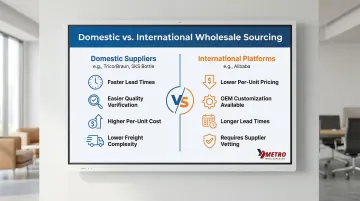
That tradeoff shapes the domestic vs. international decision. Suppliers like TricorBraun and SKS Bottle offer faster lead times and easier quality verification. International platforms like Alibaba unlock lower per-unit pricing but require careful vetting. The right choice depends on your order volume, timeline, and quality control capacity.
Conclusion
Choosing the right wholesale beverage packaging partner in 2026 requires balancing cost efficiency, material quality, lead time, and alignment with sustainability goals. No single supplier fits every business model—startups testing new flavors need low MOQs and fast turnaround, while established distributors benefit from pallet-level pricing and custom design services.
Request samples before committing to large orders. Compare total landed costs (unit price + shipping + duties), not just the sticker price. Evaluate supplier responsiveness—a partner who answers questions quickly and provides clear documentation will save headaches during production crunch times.
If your operation also sources pre-packaged beverages and grocery staples in case quantities, Metro Wholesale carries wholesale consumer goods across food, beverage, and household categories. They can be reached at metrowholesalesd.com or +1 619-423-5600 for availability and bulk pricing.
Frequently Asked Questions
What types of beverage packaging are available at wholesale?
Wholesale beverage packaging includes aluminum cans, glass bottles, PET plastic bottles, Tetra Pak-style cartons, and flexible pouches. Availability varies by supplier and order volume—domestic distributors typically stock standard formats, while global platforms offer more specialized options.
What is the minimum order quantity (MOQ) for wholesale beverage packaging?
MOQs vary by material, supplier, and customization level. Stock PET bottles may start at 1,000 pieces, while custom-printed aluminum cans often require 30,000+ units. Standard pallet quantities typically range from 2,500 to 8,000 pieces depending on container size.
How do I choose the right packaging material for my beverage product?
Start with product type (carbonated vs. still), shelf life requirements, and cost per unit. Aluminum and glass deliver superior barrier properties and recyclability; PET offers the lowest cost-to-volume ratio and lighter shipping weight.
Are eco-friendly or sustainable beverage packaging options available at wholesale?
Yes. Recyclable aluminum, glass, and recycled-content PET are widely available through major wholesale suppliers. Certifications like How2Recycle and FSC are increasingly standard, helping brands meet both regulatory requirements and consumer expectations.
Can small businesses or startups access wholesale beverage packaging pricing?
Yes. Suppliers like SKS Bottle & Packaging and Uline offer low MOQ thresholds, while platforms like Alibaba support small-volume custom orders. Per-unit costs run higher at lower volumes, but accessible entry points let startups test packaging without large upfront investment.
What should I look for in a wholesale beverage packaging supplier?
Prioritize FDA-compliant food-grade certifications, MOQ flexibility, lead time reliability, and format range. Request references from similarly sized buyers and confirm the supplier can scale as your order volume grows.