

Introduction
Rising grocery costs have pushed more shoppers toward bulk buying — but price alone doesn't settle the question of where to shop. Businesses dealing with inconsistent inventory and large families juggling tight budgets and varied dietary needs both face the same problem: not every bulk store carries what you actually need.
According to industry data, 33% of warehouse club members now buy household essentials exclusively at these destinations to manage rising costs.
Not all bulk stores are equal in what they carry. The best options offer extensive selections spanning pantry staples, fresh foods, specialty items, and commercial-grade products. This guide breaks down the top bulk grocery stores for variety in 2026, covering who they serve best, what makes each stand out, and how to choose the right one for your specific needs.
Key Takeaways
- Choosing the right bulk store depends on your business size, location, and product needs
- Costco stands out with 300+ Kirkland Signature products and rotating specialty items
- Sam's Club carries 600+ Member's Mark products and leads on online ordering convenience
- BJ's accepts manufacturer coupons and stocks smaller pack sizes — a win for East Coast buyers
- Restaurant Depot caters to food service pros with commercial-scale inventory
- Metro Wholesale gives San Diego-area buyers direct wholesale access with no retail markup
Overview of Bulk Grocery Shopping in 2026
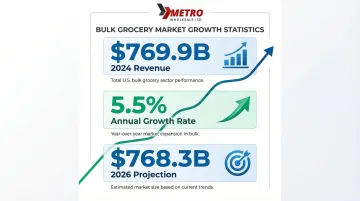
Bulk grocery stores are retailers or wholesalers selling products in larger quantities at lower per-unit prices, typically serving households, businesses, and food service operations. The warehouse club and supercenter sector generated $769.9 billion in revenue in 2024, reflecting 5.5% annual growth driven by inflation pressures and rising food costs.
Those inflation pressures show no signs of easing. The Consumer Price Index rose 2.9% through December 2024, keeping cost-conscious shoppers firmly in the bulk-buying mindset. Key indicators heading into 2026:
- Market projected to reach $768.3 billion by 2026
- 3.1% CAGR expected through the forecast period
- Demand driven primarily by pantry staples, household essentials, and grocery staples
For retailers and wholesale buyers alike, that growth signals a durable shift — not a temporary trend.
Best Bulk Grocery Stores for Variety in 2026
These stores were evaluated on product range, pricing structure, accessibility, and fit for different buyer types — from family households to food service operations. Each entry below covers what makes the store worth considering and who it serves best.
Costco Wholesale
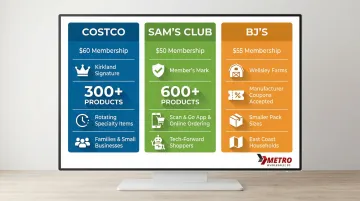
Costco dominates warehouse retail with 629 US locations and 81 million global members. The membership-based chain offers extensive selections spanning groceries, fresh produce, bakery, organic items, and international foods.
What sets Costco apart is its Kirkland Signature private label covering 300 products across dozens of categories—from olive oil to batteries—priced 20-40% below comparable national brands. The retailer frequently rotates specialty and seasonal items, keeping inventory fresh and interesting. Its fresh and frozen departments rank among the most extensive of any bulk retailer.
| Membership Required | Yes — Gold Star $65/year, Executive $130/year |
|---|---|
| Product Variety | Pantry staples, fresh produce, bakery, organic, international, frozen, snacks, beverages |
| Best For | Families and small businesses seeking broad variety under one roof |
Sam's Club
Sam's Club operates as Walmart's membership warehouse chain, offering comparable bulk grocery range to Costco with stronger emphasis on technology-driven shopping. The Scan & Go mobile app lets members scan items while shopping and pay via phone, skipping checkout lines entirely.
Competitive pricing on fresh and frozen items combines with the Member's Mark private label — spanning 600+ products — and online-only bulk bundles that extend variety beyond physical store floors. Plus members receive free delivery on orders over $50, making Sam's Club a strong option for remote shoppers who need bulk variety delivered.
| Membership Required | Yes — Club $50/year, Plus $110/year |
|---|---|
| Product Variety | Fresh, frozen, pantry, snacks, beverages, health foods, Member's Mark private label |
| Best For | Tech-forward shoppers wanting online bulk ordering flexibility |
BJ's Wholesale Club
BJ's operates 252 clubs across 21 states, concentrated on the East Coast. The chain's standout feature is accepting manufacturer coupons — a rare capability among warehouse clubs — allowing members to stack savings with BJ's own promotions.
Pack sizes run smaller than Costco's, giving smaller households access to warehouse variety without the storage burden. BJ's Wellsley Farms private label covers food and beverage categories, and strong deli and fresh sections round out the perishables offering.
| Membership Required | Yes — Club Card $60/year, Club+ $120/year |
|---|---|
| Product Variety | National brands, Wellsley Farms private label, fresh/deli, frozen, pantry, organic |
| Best For | East Coast households wanting warehouse variety with coupon savings |
Restaurant Depot
Restaurant Depot (also operating as Jetro) serves food service businesses, caterers, and restaurants through a cash-and-carry wholesale model. Access requires a business or resale license — no individual membership needed, but proof of business authorization is mandatory.
Where Restaurant Depot stands out is commercial food variety that typical warehouse clubs don't stock:
- Bulk proteins in professional-grade cuts and quantities
- Specialty ingredients not found in consumer warehouse clubs
- Food service staples including disposables and cleaning supplies
- Commercial-scale packaging designed for restaurant operations
Restaurant Depot fills a specific niche for buyers needing professional-grade volume and variety that typical warehouse clubs don't offer.
| Membership Required | No fee — requires business or resale license for access |
|---|---|
| Product Variety | Bulk proteins, specialty ingredients, produce, frozen foods, food service staples, disposables |
| Best For | Restaurants, caterers, and food service businesses needing commercial-scale variety |
Metro Wholesale
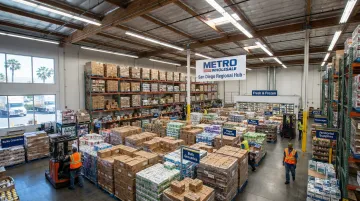
For San Diego-area businesses that want wholesale variety without the scale of a national big-box chain, Metro Wholesale is a regional alternative worth considering. The company distributes consumer packaged goods, household essentials, and grocery staples in case-pack quantities to retail stores, restaurants, and small businesses. Contact at info@metrowholesalesd.com or +1 619-423-5600.
Product lines extend into areas most warehouse clubs don't cover — authentic Mexican beverages, specialty condiments, and ethnic food items alongside standard pantry and household categories.
Key advantages include:
- Multiple delivery options (economy, next-day, Saturday delivery)
- Specialized ethnic and international product selections
- Personalized customer support and account management
- Case-pack quantities manageable for smaller businesses
- No annual membership fees (business registration required)
| Membership Required | Yes — business registration required for wholesale account access |
|---|---|
| Product Variety | Cleaning supplies, laundry products, food and beverage pantry staples, personal care, pet supplies, general merchandise, specialty Mexican and international foods |
| Best For | San Diego-area businesses, restaurants, and retail stores seeking reliable wholesale variety from a regional source with personalized service |
How We Chose the Best Bulk Grocery Stores
Common mistakes buyers make include prioritizing membership cost over product fit, overlooking whether the store's variety matches their actual buying needs, and not accounting for perishables or specialty items they regularly purchase. To cut through that noise, we evaluated each store on four factors:
- Product variety across pantry, fresh, frozen, and specialty categories
- Membership model and total cost of access
- Suitability for different buyer types — household, small business, and food service
- Market presence and consistent customer trust
The right store depends on what you actually buy. A restaurant's restocking needs look nothing like a household's weekly run, and the store that excels at one often falls short for the other.
Conclusion
Variety is one of the most underrated factors in choosing a bulk grocery store. Research shows bulk buying can save 27% on average, but those savings disappear if you're constantly sourcing missing items elsewhere. Consider your specific buyer profile before committing to a membership or supplier relationship—a family's requirements differ from a restaurant's.
For buyers in the San Diego region looking for a reliable wholesale source, Metro Wholesale supplies retail stores and business accounts with dry grocery staples, household essentials, and general merchandise in case-pack quantities. Reach out at info@metrowholesalesd.com or call +1 619-423-5600 to learn about wholesale account registration and available product categories.
Frequently Asked Questions
What groceries are best to buy in bulk?
Shelf-stable staples like grains, canned goods, cooking oils, and frozen proteins offer the safest bulk buys with minimal waste risk. Paper products and batteries provide significant savings (60-65%) compared to retail. Perishables require careful planning around consumption speed to avoid waste.
Is Costco or Sam's Club better for bulk grocery variety?
Both offer broad variety, but Costco's 300-item Kirkland Signature line and rotating specialty items give it a slight edge in unique offerings. Sam's Club's 600+ Member's Mark products and superior online bulk ordering can expand accessible variety for remote or time-limited buyers.
Do you need a membership to shop at bulk grocery stores?
Most warehouse clubs (Costco, Sam's Club, BJ's) require paid annual memberships ranging from $50-$130. Restaurant Depot requires a business license but charges no membership fee. Metro Wholesale and similar regional wholesalers typically require business registration or a resale certificate for access.
Are bulk grocery stores good for small businesses or restaurants?
Commercial-scale pricing and product variety at suppliers like Restaurant Depot and Metro Wholesale go well beyond what consumer warehouse clubs offer. These wholesalers are built for food service and small business buyers, with packaging sizes and product categories that match operational needs.
How much can you save buying groceries in bulk?
Analysis of 44 common products found bulk buying saves 27% on average compared to standard retail quantities. Savings vary significantly by category—paper towels (65%), batteries (60%), and condiments (54%) offer the highest discounts. Warehouse club prices run approximately 21% lower than traditional retailers.
What is the difference between a wholesale club and a bulk grocery store?
Wholesale clubs like Costco, Sam's Club, and BJ's are membership-based retailers open to general consumers and small businesses. Bulk grocery wholesalers typically target business buyers specifically, requiring a business license or resale certificate rather than a paid membership, and offer commercial-scale product ranges not available at consumer clubs.